Raleigh, North Carolina-based chocolate company Spring & Mulberry has voluntarily recalled one lot of its mint chocolate bars due to possible salmonella contamination.
Details of Spring & Mulberry chocolate bar recall
Spring & Mulberry issued the recall Monday, Jan. 12. The recall impacts one lot -- lot No. 025255 -- of the company's 2.1-ounce Mint Leaf Date Sweetened Chocolate Bars.
The company said in the recall announcement that there have been no illnesses or adverse health effects reported in connection with the recall.

"Spring & Mulberry is proactively recalling the specific lot in which this risk applies to protect public health," the company stated. "The potential for contamination was noted after routine testing by a third-party laboratory."
The recalled products can be identified by brand name, Spring & Mulberry, a teal box color, and the "Mint Leaf" flavor name.
Customers who purchased the affected chocolate bar can locate the lot code on the back of the packaging and on the "inner flow wrap," the company said.
Spring & Mulberry urged customers to dispose of any affected product and contact the company via email with a photo of the lot code to request a refund.
ABC News has reached out to Spring & Mulberry for additional comment.
FDA upgrades voluntary cheese recall to highest risk level
What to know about salmonella
Salmonella are bacteria that cause about 1.35 million infections in the U.S. every year, with contaminated food as the source of most of these illnesses, according to the Centers for Disease Control and Prevention.
People can become infected with salmonella after unknowingly swallowing the bacteria, or after touching infected animals, animal feces, and "places animals live and roam," according to the agency.
"Although scientists have identified more than 2,500 Salmonella serotypes (types), fewer than 100 types cause most human illness," the CDC states.
What are the symptoms of salmonella?
People infected with salmonella can experience a range of symptoms including abdominal pain, fever, headache, watery diarrhea that may also have blood or mucus, loss of appetite, nausea, and vomiting, according to the CDC.
Symptoms usually begin six hours to six days after swallowing the bacteria.
Most people recover without treatment after four to seven days, the CDC says. However, they should still drink plenty of fluids and rest well.
Some people, particularly children under the age of 5 and adults 65 and older, or those with weakened immune systems, may experience "more severe illnesses that require medical treatment or hospitalization," the CDC says.
LATEST POSTS
- 1
 Glen Powell will host 'Saturday Night Live' with Olivia Dean as musical guest: What to know ahead of their debut
 - 2December's overlooked meteor shower peaks next week — will the Ursids surprise us?
- 3Foreign military officials can become Israel's ambassadors, senior IDF commander tells 'Post'
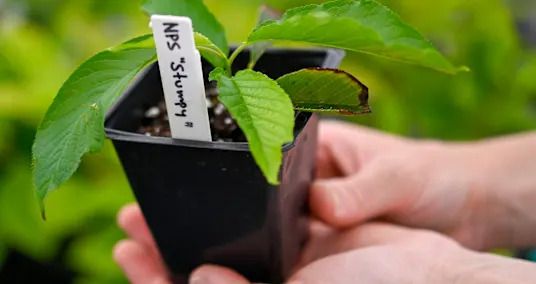
- 4Clones of Stumpy, Washington D.C.'s beloved cherry blossom tree, have flowered for the first time
- 5Artemis II astronauts find hidden Easter eggs as they close in on the moon



- All that You Really want to Be familiar with Dental Inserts Facilities
- Congress is running out of time to extend ACA subsidies as the GOP moves on to an alternative plan. Here's where things stand.
- Unraveling the Specialty of Picking Your Ideal Travel Objective
- Top 20 Wellbeing and Wellness Applications for a Sound Way of life
- Figure out How to Use the Experience of a Fender bender Legal counselor for Your Potential benefit
- 'We are ready': NASA still on track to launch Artemis 2 astronauts to the moon April 1
- A Time of Careful Eating: Individual Tests in Nourishment
- Figure out How to Get a good deal on Your Rooftop Substitution Venture
- Getting ready for a Mechanized World: 10 Positions That computer based intelligence Could Dominate