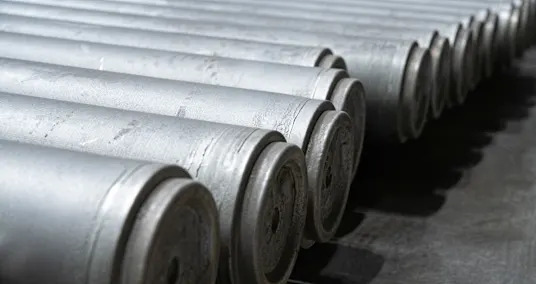
Fears of global aluminium shortages that could affect the production of clean energy technologies intensified after Iran struck two major Gulf aluminium producers, sending prices to a four-year high. The Middle East accounts for 9% of the world’s production of aluminum, which is essential to a wide range of industries from transportation, construction, and packaging, as well as the manufacture of solar panels, electrical transmission systems, wind turbines, and EVs.
Export shipments to the US and Europe had already come to a halt because of the effective closure of the Strait of Hormuz, and Morgan Stanley economists singled out aluminium as carrying a high level of risk across the value chain. Andy Farida, an aluminium analyst at Fastmarkets, told Semafor that high prices would be passed on to end-users, ultimately causing demand destruction. “A prolonged shutdown (with little to no alternative supplies other than Russia and China) could cripple the supply of aluminium to support the production of clean and green technology,” he said, adding that relief could come “if governments allow some sanctioned Russian and Chinese aluminium to be imported.”

LATEST POSTS
- 1
 Cyber Monday Paramount+ deal: Save 50% and stream these buzzy Taylor Sheridan shows
 - 2Easy to understand Tech: Cell phones for Old in 2024
- 3Palestine weekly wrap: Protests sweep West Bank after death penalty law
- 4Impact of NIH funding reductions felt in cancer and infectious disease trials
- 5Solar storms can trigger auroras on Earth. This star’s explosion could destroy a planet’s atmosphere





- Artemis II astronauts arrive at Florida launch site for first moon trip in 53 years
- Selena Quintanilla documentary 'Selena y Los Dinos: A Family's Legacy' is coming to Netflix
- Lecturer who called Israel a terrorist state to remain Plaid Cymru candidate
- Find the Captivating Professional flowerbeds of the US
- World’s tallest bridge and biggest museum named ‘greatest places of 2026’
- WATCH: IDF strikes, dismantles missile launchers in southern Lebanon
- ‘Downton Abbey: The Grand Finale’ hits streaming: How to watch, cast info and everything you need to know
- Israel, Gulf states report fresh missile and drone attacks
- 4K televisions for Extreme Film Watching Experience