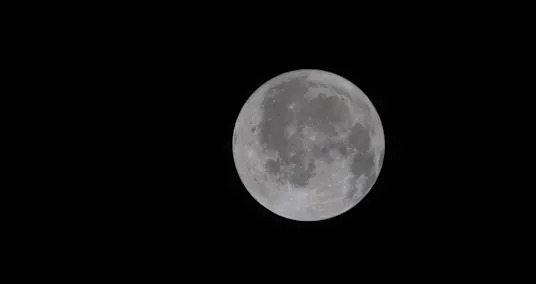
Awe-inspiring new photos captured by the Artemis II astronauts showcase the moon and the interior of the Orion spacecraft, offering a glimpse into their lives in space as they close in on another historic milestone.
One image highlighting the moon even captured a portion of the Orientale basin, which marks a first for human eyes, according to NASA. Only robotic imagers have witnessed this lunar region. The shadowed crater, which is 600 miles (965 kilometers) wide, represents a key transition region between the near and far sides of the moon.
Images taken from inside the Orion capsule have shifted from solely highlighting the glowing spectacle of Earth as seen from a cosmic perspective to refocusing on the moon as the mission draws closer to the silvery orb.
unknown content item
-
The crew is more than halfway to the moon, according to NASA, and their highly anticipated lunar flyby will occur on Monday.
The astronauts said the moon continues to appear larger through Orion’s windows as their journey continues.

The Artemis II images of Earth have been equally stunning, showcasing perspectives of our planet that haven’t been seen by human eyes since astronauts last left Earth orbit during the Apollo era.

The crew has also appeared live on camera throughout NASA’s continuing broadcast of the mission, allowing candid glimpses of their life in space.

In this new verdantly illuminated photo, the majority of the Orion spacecraft’s lights are turned off to avoid glare on the windows, allowing Canadian Space Agency astronaut Jeremy Hansen to look outside and enjoy the view.

And much like during the Artemis I mission in 2022, Artemis II’s journey will include multiple selfie opportunities. The Orion spacecraft’s solar array wings are equipped with cameras that can capture high-resolution selfies, including ones with the moon or Earth.
This image was taken during a routine external inspection of Orion using its cameras on the second day — while also providing a unique perspective of the capsule in the space environment.

NASA’s Artemis program is sending humans into deep space for the first time in more than five decades. Sign up for Countdown newsletter and get updates from CNN Science on out-of-this-world expeditions as they unfold.
For more CNN news and newsletters create an account at CNN.com
LATEST POSTS
- 1
 Solar storms have influenced our history – an environmental historian explains how they could also threaten our future
 - 2NASA’s history-making moon mission aims to send the first woman and person of color to deep space
- 3Flu concerns grow in US as UK sees more cases among kids
- 4Brazil's ex-president Bolsonaro operated on for hernia
- 56 Web-based Lawful Administrations: Extensive Surveys and Elements



- The Secret Destinations Amex Says Will Be More Popular Than Bali by 2026
- Malaysian broadcaster rejects altered graphic about electricity rate hike
- Baikonur launch pad damaged after Russian Soyuz launch to International Space Station
- Support Your Investment funds with These Individual accounting Thoughts
- Clovis Unified students spend spring break traveling through China
- Texas cities have some of the highest preterm birth rates in the US, highlighting maternal health crisis nationwide
- New dinosaur tracks in Italy illustrate herds moving in unison
- Los Angeles County sees significant uptick in norovirus cases, officials say
- Thousands of Walgreens nasal spray bottles recalled. See which ones.