BERLIN (Reuters) -German pharma company Bayer reported positive study results for its anticoagulant asundexian on Sunday, two years after a research setback for the promising blood thinner candidate.
In a Phase III study, a daily dose of 50 milligrams significantly reduced the risk of ischemic stroke compared with a placebo, Bayer said.
Detailed results from the OCEANIC-STROKE study will be presented at an upcoming scientific congress, said Bayer.
Bayer added that it plans to speak with health authorities worldwide in preparation for the submission of marketing authorisation applications.
Bayer had originally predicted that asundexian would have peak sales potential of more than 5 billion euros ($5.76 billion) - more than any of its other drugs.
At the end of 2023, the company had a major setback with the drug after it failed in a pivotal clinical trial involving patients with atrial fibrillation and a risk of stroke.
($1 = 0.8687 euros)
(Reporting by Joern Poltz. Writing by Miranda Murray. Editing by Jane Merriman)
LATEST POSTS
- 1
 New movies to watch this weekend: See 'Wake Up Dead Man: A Knives Out Mystery' in theaters, rent 'Bugonia,' stream 'Caught Stealing' on Netflix
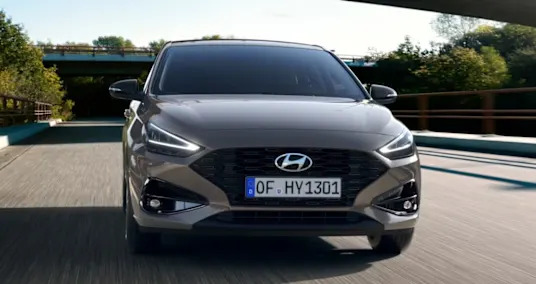
 - 2Hyundai Is Keeping the i30 Alive While America Keeps Losing Cars Like It
- 3Opening Monetary Information: Your Exhaustive Manual for Finding out about Individual budget
- 4Congolese rape survivors search in vain for medicine after USAID cuts
- 5ACA subsidies latest: Making sense of what's happening with health care after Republicans revolt, forcing a vote on funding extension



- How a Middle East War Becomes a Retail Price Hike
- Ryan Gosling responds to Deidre Hall's invitation to visit the 'Days of Our Lives' set: 'This is a very enthusiastic yes'
- Very good quality Greens All over The Planet
- Factbox-Artemis II crew includes first woman, Black astronaut and Canadian ever flown to moon
- NASA wants to build a base on the Moon by the 2030s – how and why it plans to build up to a long-term lunar presence
- Finding Ideal Date Spots for Two or three Encounters
- Minnesota jury says Johnson & Johnson owes $65.5 million to woman with cancer who used talcum powder
- Figure out How to Assess the Unwavering quality of SUVs for Seniors
- Figure out How to Pick the Right Toothbrush for You